5 Cheap Ways to Entertain Yourself in Retirement
Use libraries, volunteering, fitness benefits, and small social plans to build a low-cost retirement routine you can actually repeat.
Retirement Life · Mar 26, 2026
Read now →
Built for retirees who need clear next steps now
Explore practical articles, decision helpers, and timely alerts across health, finances, injuries, and veterans support.
What's pressing now
As of March 13, 2026, most retirees have about one month left to file 2025 federal taxes. If a tax payment may affect medication, housing, or debt plans, review payment options before the last week.
Read the urgent action guideSelect a topic area below to find articles, tools, and deadline alerts specific to your situation.
Low-cost ways to stay active, social, and mentally engaged without turning everyday retirement into a new expense.
Latest: 5 Cheap Ways to Entertain Yourself in Retirement
Open Retirement LifePreventive care, treatment decisions, and visit prep that help retirees stay informed, organized, and confident.
Latest: Cancer Care: Questions to Bring to Every Visit
Open HealthClear financial triage for surprise bills so essentials stay protected while you stabilize cash flow.
Latest: How to Negotiate a Medical Bill Payment Plan Before It Gets Worse
Open Sudden ExpensesHome safety and housing stability guidance so retirees can stay independent and avoid preventable setbacks.
Latest: Aging in Place Home Safety Checklist for Seniors Who Want to Stay Independent
Open Housing & HomeSupport for family caregivers and retirees coordinating care decisions, updates, and daily logistics.
Latest: Caregiver Questions to Ask at a Memory Loss or Dementia Appointment
Open CaregivingEnrollment and income-benefit guidance so retirees avoid delays, penalties, and coverage surprises.
Latest: Missed Medicare Part B Enrollment: What Retirees Can Do Next
Open Medicare & Social SecurityPractical legal and paperwork planning to reduce family stress during emergencies or transitions.
Latest: The First 48 Hours After a Spouse Dies: Paperwork and Calls to Make First
Open Legal & PlanningRecovery planning after falls or mobility setbacks, with practical checklists for home and appointments.
Latest: Fall Prevention Checklist for Seniors After the First Fall
Open Falls & RecoveryBenefits, claims, and care coordination guidance for veterans and military families in retirement.
Latest: What to Do After a VA Claim Denial: The Next Steps That Matter Most
Open VeteransEvery tool below is completely free, right now, with no login required. These are practical tools retirees can use in one sitting when money is tight or an important call is coming up.
See exactly how to protect housing, food, medication, and utilities when a surprise bill arrives.
Build a calm, plain-language script before you call a billing office, lender, or provider to ask for relief.
Start here when you need to verify benefits, enrollment rules, deadlines, or agency contact information directly with the government instead of relying on third-party directories.
Select the topics that matter most right now. Saved only on this device.

Use libraries, volunteering, fitness benefits, and small social plans to build a low-cost retirement routine you can actually repeat.
Retirement Life
Choose low-cost hobbies that fit your energy, budget, and schedule so they have a real chance of becoming part of retirement life.
Retirement Life
Use libraries, senior centers, parks departments, and local calendars to find free events without wasting a week on dead leads.
Retirement Life
Start a small retirement group with a simple invitation, a clear first meeting, and a plan that does not create work you do not want.
Retirement Life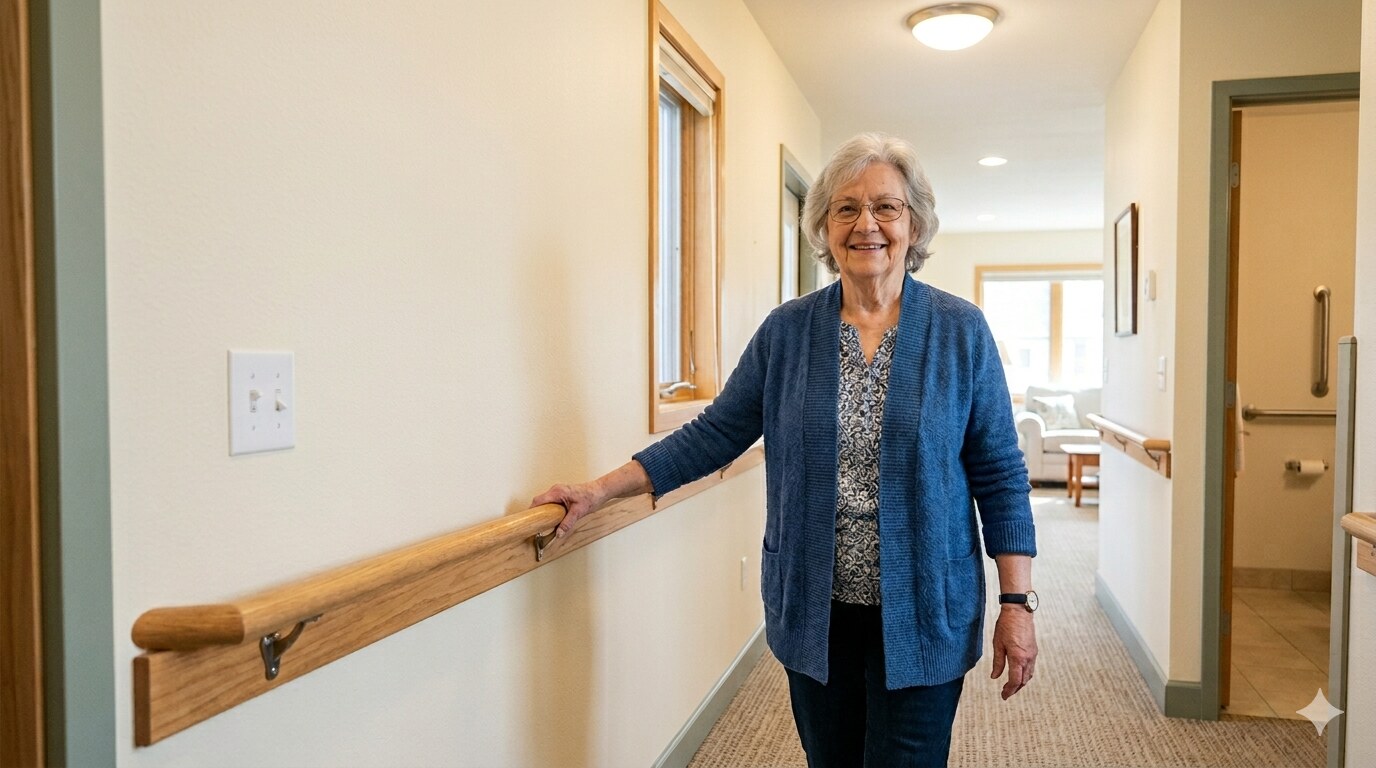
A safer home does not require a full remodel or a weekend of panic-cleaning. Work room by room, fix the hazards that matter most, and leave the cosmetic fuss for later.
Housing & Home
Memory appointments go better when caregivers show up with observations, medication lists, and the right questions. Bring the details that reveal what daily life actually looks like, not just a general sense that something is off.
Caregiving
The first fall is usually a warning, not a complete explanation. Use the next seven days to check medications, vision, footwear, blood pressure, lighting, and home setup before another fall makes the point harder.
Falls & Recovery
Most family update chains are long on emotion and short on the facts people need. A weekly caregiver update works better when it covers changes, urgent concerns, and the help that is actually needed.
Caregiving
The first two days after a spouse dies should be about the few actions that truly cannot wait. Handle the death certificate process, immediate calls, and urgent financial questions first. The rest can wait a little.
Legal & Planning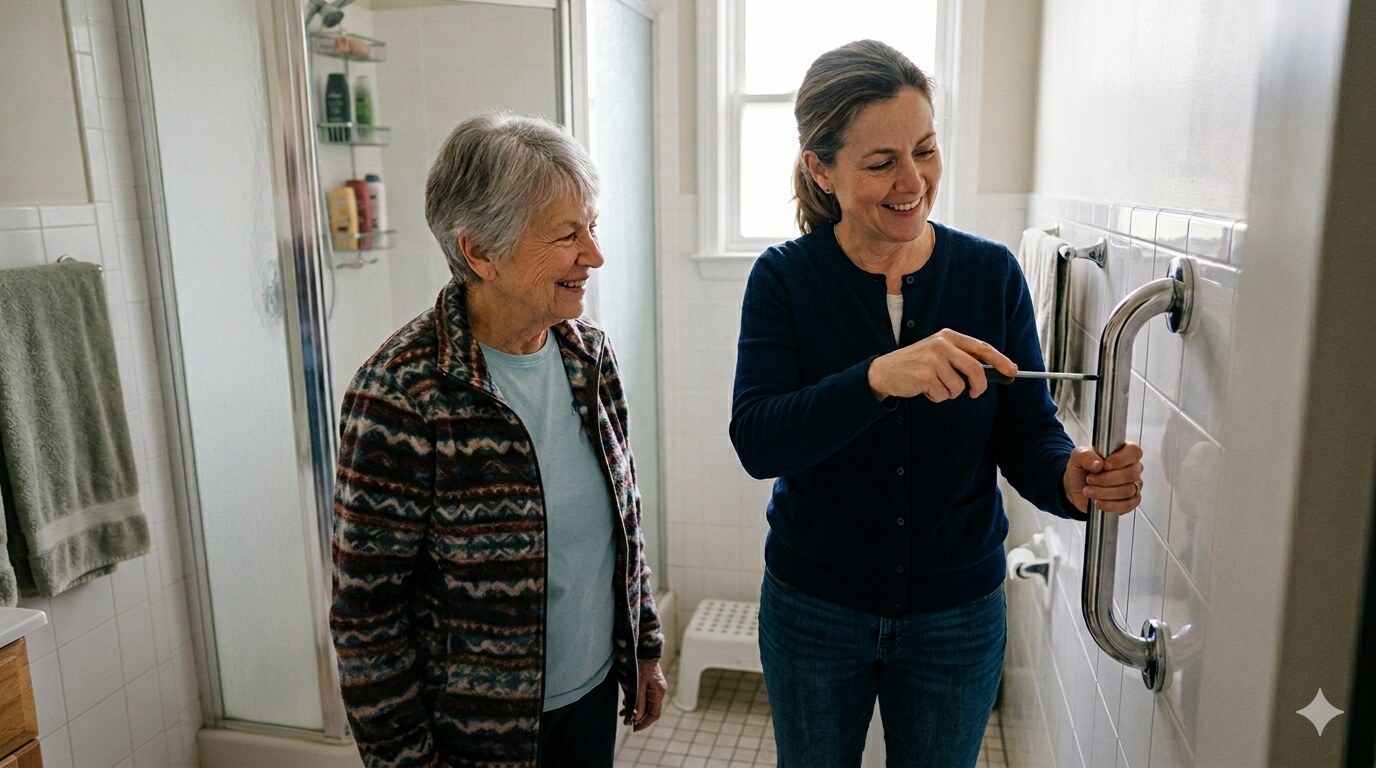
Home safety fixes often cost more than retirees can cover out of pocket, but that does not mean the search ends at the hardware store. Start with the programs that screen for safety, age, income, and disability needs.
Housing & Home
The first 72 hours home after a hospital stay are when small problems turn into hard ones. Handle medications, food, rides, follow-up care, and check-ins before fatigue gets the upper hand.
Caregiving
Bathroom safety comes down to traction, support, light, and less awkward reaching. Start with the upgrades that prevent the fast, stupid falls that happen in a room people use half awake.
Housing & Home
If you missed Medicare Part B, the next move depends on whether you qualify for a Special Enrollment Period or must wait for General Enrollment. Start with coverage status, employer proof, and a clean list of questions.
Medicare & Social Security
Medical bills get more expensive when people wait, guess, or throw high-interest credit at them. Check the bill, ask about assistance, and push for a payment plan before the account ages badly.
Sudden Expenses
A short legal aid or appeal meeting can still move your case if you arrive with the right documents, dates, and questions. Bring the facts in order, not a bag of loose papers.
Legal & Planning
A useful benefits call starts before you dial. Gather the right papers, write the question the right way, and keep notes that let you act on what the representative tells you.
Medicare & Social Security
The best time to organize critical documents is before anyone is exhausted, grieving, or trying to answer a hospital question from memory. Keep the important papers findable, current, and simple enough that someone else can use them.
Legal & Planning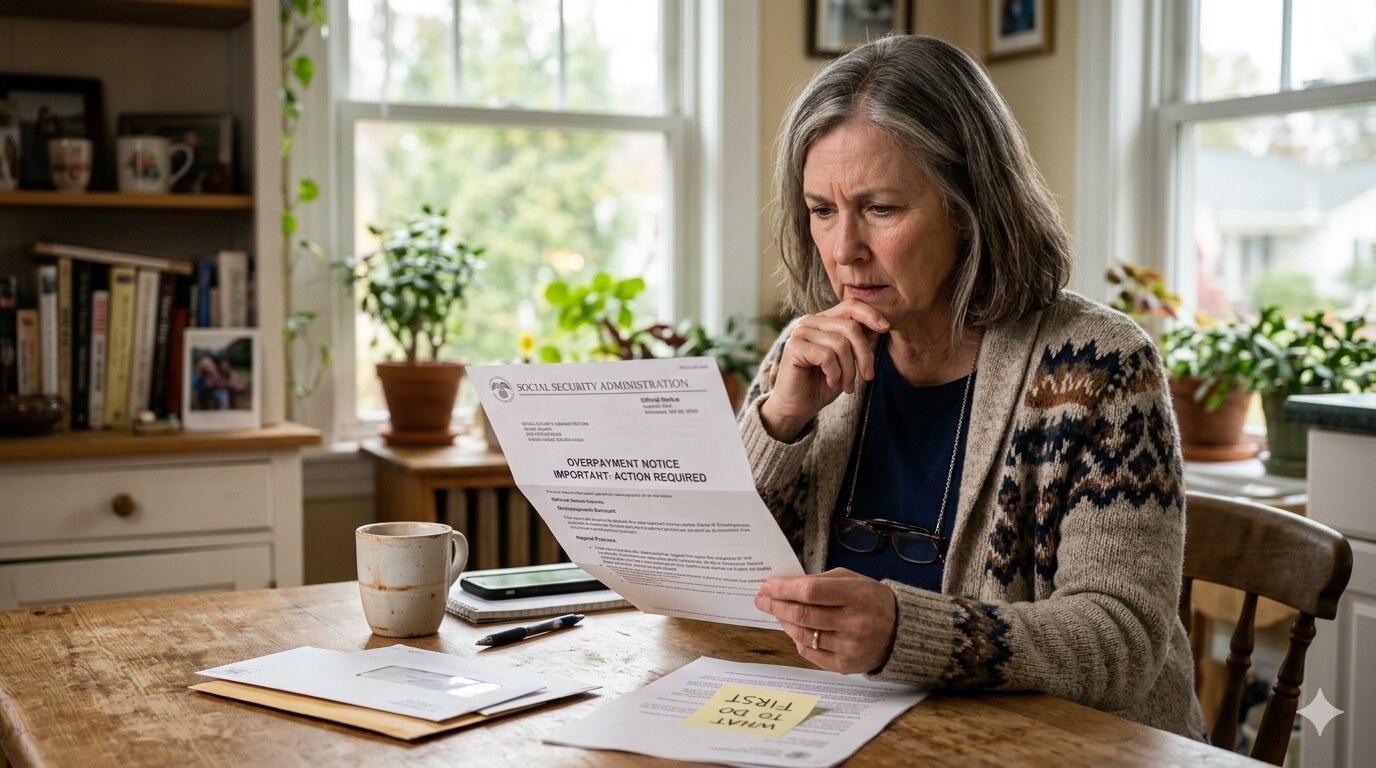
A Social Security overpayment notice can push people into bad decisions fast. Read the letter closely, mark the deadline, gather your records, and call before you send money or ignore the notice.
Medicare & Social Security
A VA denial letter is not the moment to guess, vent, or miss a deadline while looking for help. Read the reason, mark the date, gather records, and decide the next review step with your notes in order.
Veterans
A respectful question planner to help retirees understand treatment choices and support resources.
Health
A simple structure for tracking treatment decisions, side effects, and follow-ups.
Health
Prepare for checkups with a one-page list of symptoms, goals, and medication updates.
Health
Bring the right medication details so clinicians can make safer updates faster.
Health
Room-by-room safety changes you can make quickly after a fall.
Falls & Recovery
A quick triage order to protect essentials when a surprise bill appears.
Sudden Expenses
Simple steps for appointments, mobility support, and household adjustments after an injury.
Falls & Recovery
Use a simple timeline format to track submissions, contacts, and deadlines during benefits appeals.
Veterans
Use a three-step method to protect essentials first, then negotiate bills with confidence.
Sudden Expenses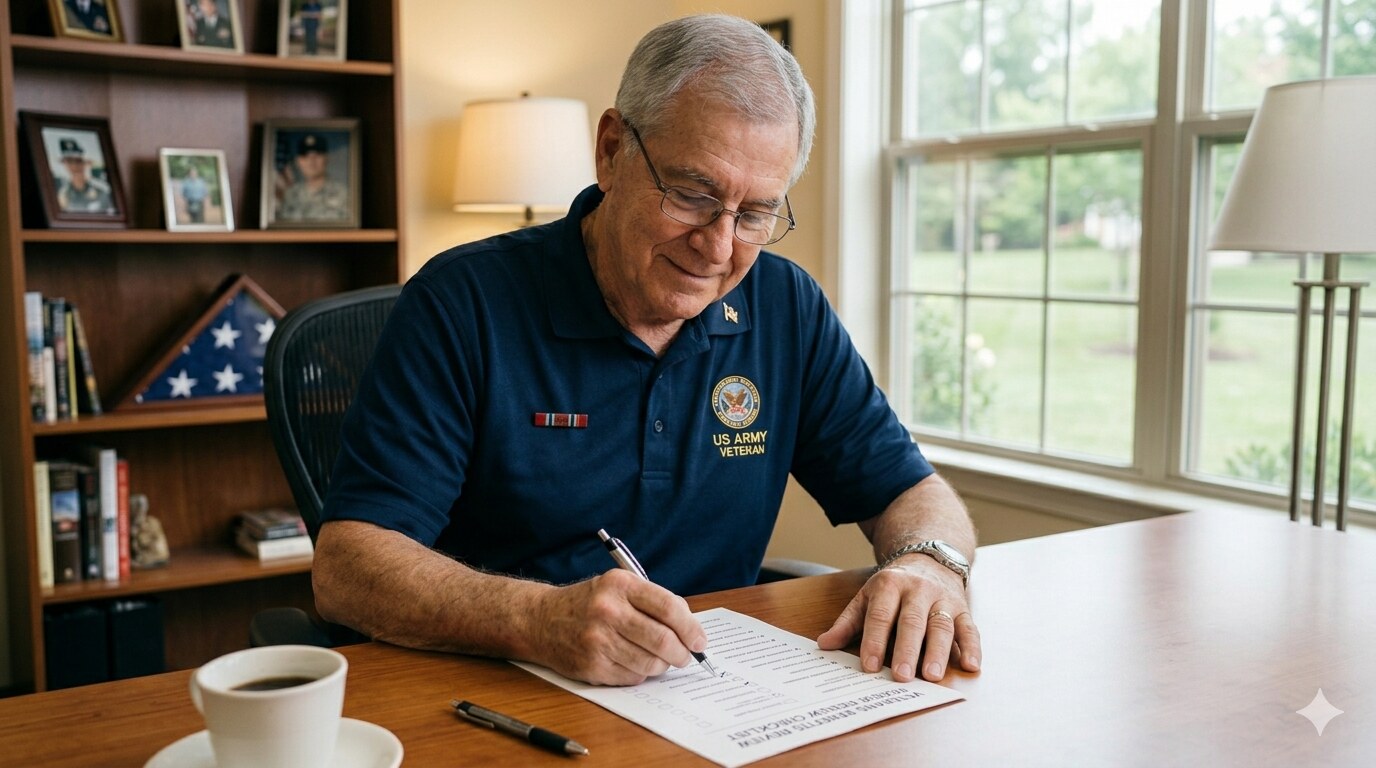
A practical way to organize VA documents, appointments, and follow-up notes without overwhelm.
Veterans