
Article content
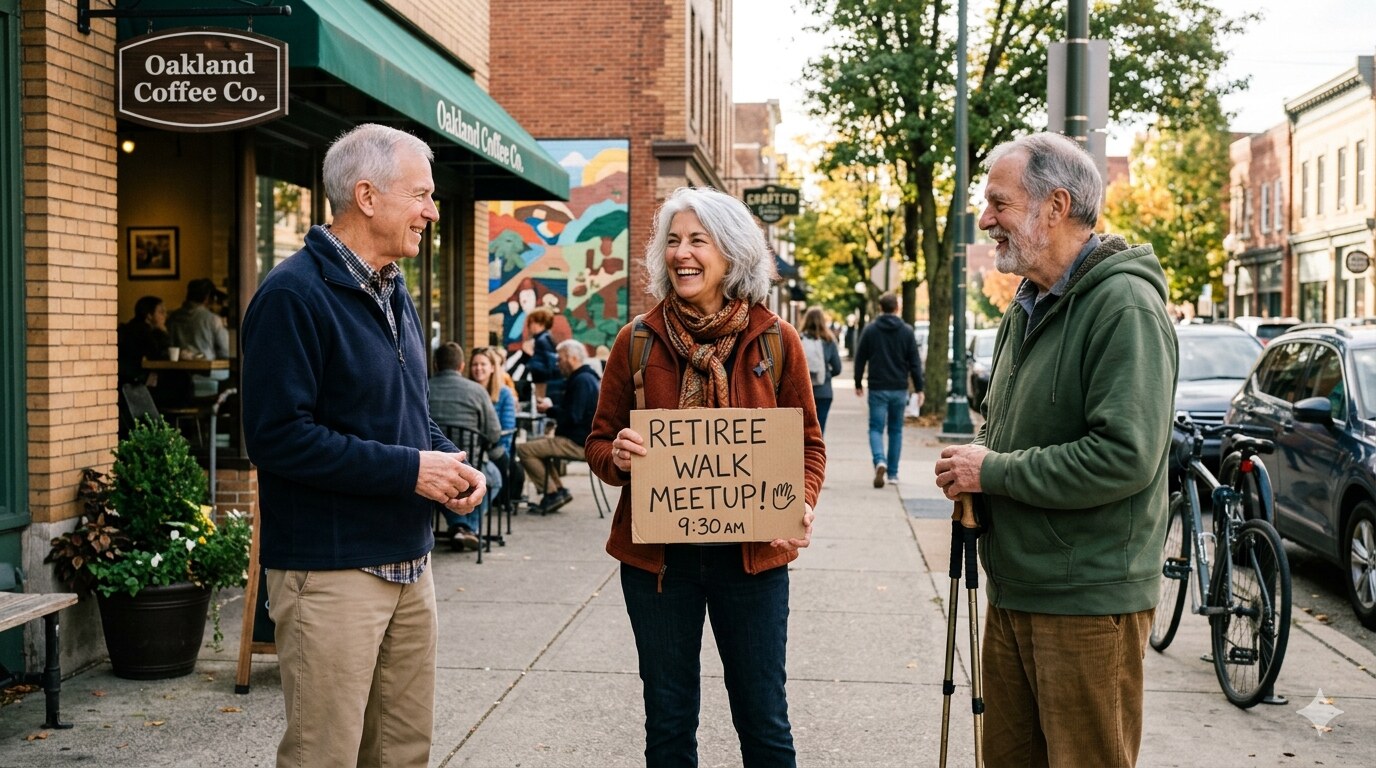
Starting a group after retirement sounds bigger than it is. You do not need a club charter or a long guest list. You need one simple idea, one place to meet, and two or three people who are likely to say yes.
Personalize this article
Name the group before you invite anyone
A simple name makes the invitation easier to send.
The best first meeting is short and easy. A one-mile walk, a coffee hour, or a 45-minute card game is enough. If the first meeting feels like work, people stop before the routine has a chance to form.
Pick a place that is easy to reach and easy to explain. Consistency matters more than novelty here. The same coffee shop or walking path each week gives the group a better chance to stick.
Keep the invitation direct. Tell people what the group is, where it meets, how long it lasts, and whether they should invite anyone else. Most people do better with a specific ask than with a vague statement like "we should do this sometime."
Checklist
Set up the first meeting
These are the only details you need before you invite anyone.
0 of 4 done.
If only one person says yes, that still counts. Small groups often work better at the beginning because the conversation is easier and the logistics stay simple.
After the first meeting, decide right away whether there will be a second one. Momentum matters more than perfection.
Timeline
Use one week to launch the group
Keep the first step close enough that nobody forgets.
Decide whether is a walk, coffee hour, game, or another repeatable plan.
Text, call, or email the two or three people most likely to show up.
Keep it short enough that people leave willing to do it again.
If you still need activity ideas, read 5 Cheap Ways to Entertain Yourself in Retirement. If you want more places to meet people, use How to Find Free Senior Classes and Community Events Near You. If you want a group idea that starts as a hobby, keep Cheap Hobbies That Keep You Social, Active, and Mentally Sharp open too.
Save your plan
Save the basics for the first meeting before the idea drifts.
Common questions
How do I start a walking group or coffee group after I retire?
You need one simple idea, one place to meet, and two or three people who are likely to say yes — that's it. Keep the first meeting short and easy, like a one-mile walk, a coffee hour, or a 45-minute card game, and pick a place that's easy to reach and easy to explain to others. Consistency matters more than novelty, so the same coffee shop or walking path each week gives the group its best shot at sticking.
What should I say when I invite someone to a new retirement group?
Be direct. Tell them what the group is, where it meets, how long it lasts, and whether they should invite anyone else. A specific ask works far better than a vague line like "we should do this sometime" — most people need a real time and place before they'll commit.
What if only one person agrees to join my group?
That still counts, and it's a fine place to start. Small groups often work better at the beginning because the conversation is easier and the logistics stay simple — you can always grow it later once the routine is set.
How long does it take to actually launch a retirement group?
About a week, if you keep it simple. Pick the format today, send the invitation within two days to the two or three people most likely to show up, and hold the first meet-up before the week is out. Right after that first meeting, decide immediately whether there will be a second one — momentum matters more than getting it perfect.