Article content
Two separate Medicare changes landed within days of each other this month. CMS proposed making the rules behind its drug price negotiation program permanent instead of reissuing them year to year, and it also pulled back a payment update that was expected to affect Medicare Advantage insurers. Neither one changes your coverage today. Both are worth understanding before they do.
One touches what you pay at the pharmacy counter. The other touches what your Medicare Advantage plan gets paid to cover you — which tends to show up later, in your plan's benefits and premium. We'll walk through both, and give you a way to track what actually changes for your own prescriptions along the way.
Choose your next move
Pick what matters most to your situation
Choose the change that affects you directly.
Focus on the drug price negotiation rule and what it means at the pharmacy.
What 'Permanent' Drug Price Negotiation Rules Would Actually Do
Medicare's drug price negotiation program, created under the Inflation Reduction Act, sets negotiated prices for a growing list of high-cost drugs each year. Until now, CMS has issued the process rules for that program year by year. The new proposal would lock the process itself in as a standing rule, which mostly affects how predictable the program is for drug manufacturers and CMS — it doesn't add or remove any specific drug from the negotiated list on its own.
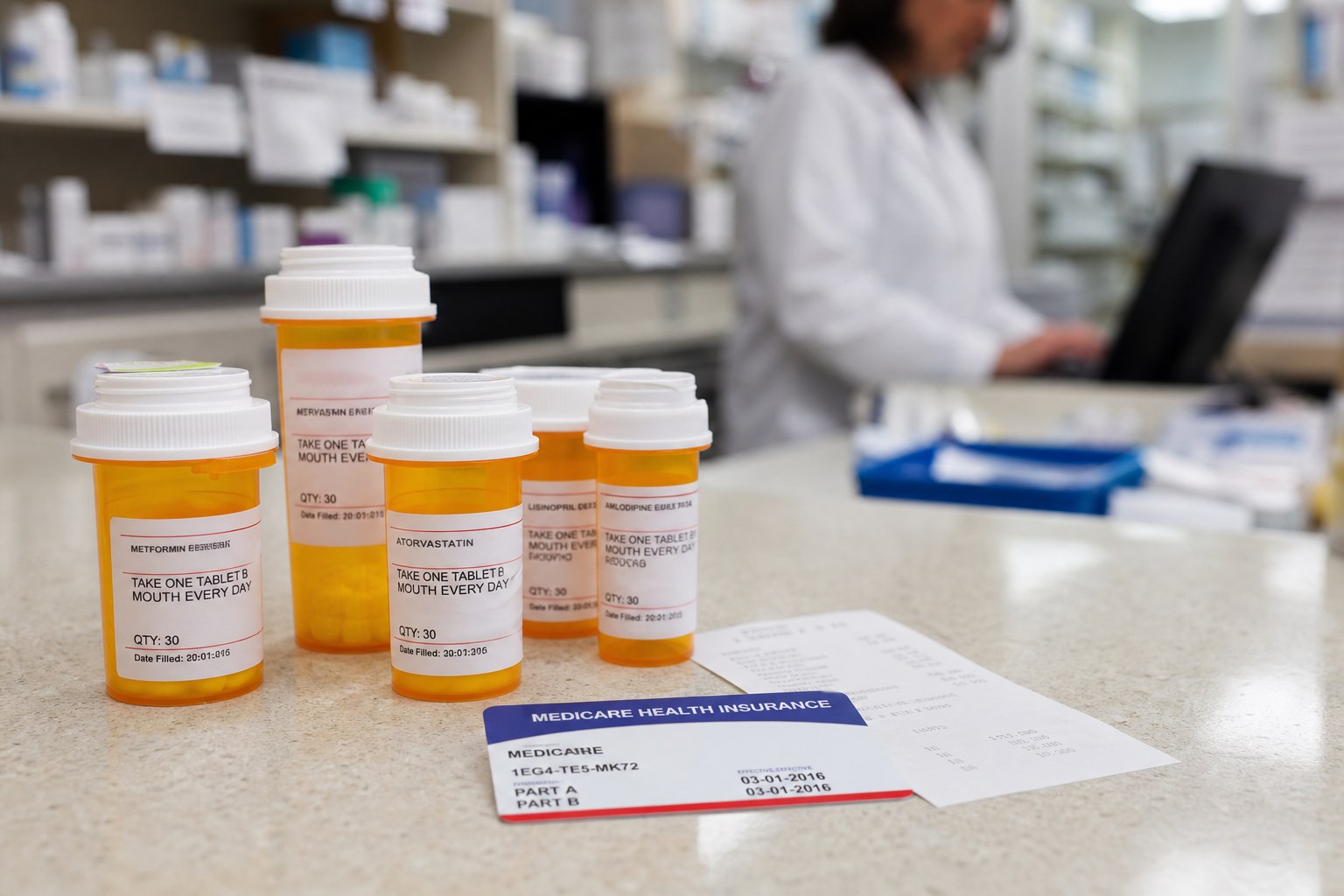
For you, the practical question isn't the rulemaking process. It's whether a medication you actually take is on the negotiated list, and whether your pharmacy has applied that negotiated price yet. Those two things can lag behind the news by weeks.
Checklist
Check this before you assume a price changed
Confirm your own prescriptions instead of going off a headline.
0 of 3 done.
What's Changing for Medicare Advantage Payments
The second change is quieter but still worth knowing. CMS backed off a planned adjustment to how it calculates payments to Medicare Advantage insurers, which means those insurers will see higher payments than an earlier proposal would have given them. That money doesn't change your plan mid-year. It shapes what insurers can afford to offer when they set next year's benefits and premiums.
If you're on a Medicare Advantage plan, this is the kind of change that shows up quietly in the fall, in your plan's Annual Notice of Change. Read that notice closely instead of assuming this year's benefits carry over automatically.
Checklist
Watch for this instead of assuming nothing changed
Payment changes to insurers tend to arrive at your door months later.
0 of 3 done.
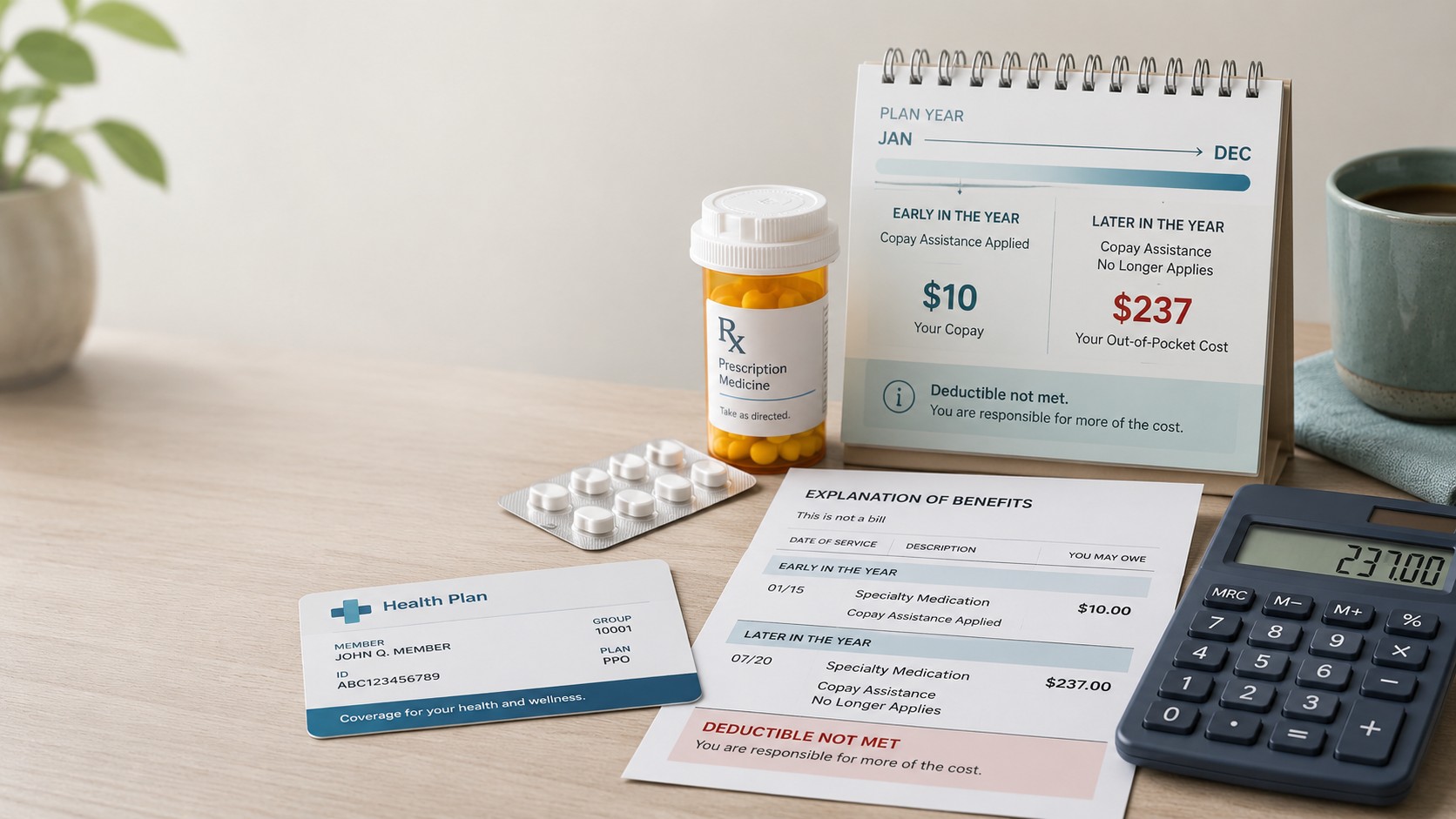
If a plan or pharmacy change ever runs into a copay assistance program, The Copay Accumulator Problem — And What To Do About It covers what to check next.
Keep Your Own Record As This Plays Out
Both of these changes are still moving. The negotiation rule is a proposal, not yet final, and insurer payment updates get revisited most years. Rather than trying to track federal rulemaking yourself, keep a simple record of what actually changes for you — a price at the register, a line in your Annual Notice of Change — and act on that.
Timeline
Work through this over the next few months
Check off each step as you get to it.
Compare your next pharmacy receipt to your last one for any of your regular medications.
Confirm whether a negotiated price applies to anything you take, rather than assuming it does.
Look for formulary and premium changes, not just the plan's summary highlights.
If costs went up more than you're comfortable with, compare other Medicare Advantage or Part D plans before open enrollment closes.
Save your plan
Save what you focused on and confirmed so you're working from your own record, not a headline.
Common questions
Does the new CMS drug price negotiation rule lower my prescription prices right away?
Not automatically. The proposal makes the negotiation process itself a permanent, standing rule rather than one reissued each year. It doesn't add or remove specific drugs from the negotiated list on its own — check whether your actual prescriptions are on Medicare's published negotiated drug list and confirm with your pharmacist before assuming a price changed.
What does the Medicare Advantage payment change mean for my plan?
CMS backed off a planned adjustment that would have reduced payments to Medicare Advantage insurers, so those insurers will see higher payments than expected. That doesn't change your plan mid-year, but it can shape the benefits and premiums insurers offer when they set next year's plans — read your Annual Notice of Change closely this fall.
How do I know if my medication is on Medicare's negotiated drug list?
Check the list published on CMS.gov for the Medicare Drug Price Negotiation Program, and confirm directly with your pharmacist whether the negotiated price already applies to your next refill. Don't assume based on news coverage alone.
When will I see changes from these Medicare rules?
The drug price negotiation rule is still a proposal, and payment changes to insurers typically show up in your plan's Annual Notice of Change in the fall, ahead of the Medicare open enrollment period that ends December 7.