
Article content
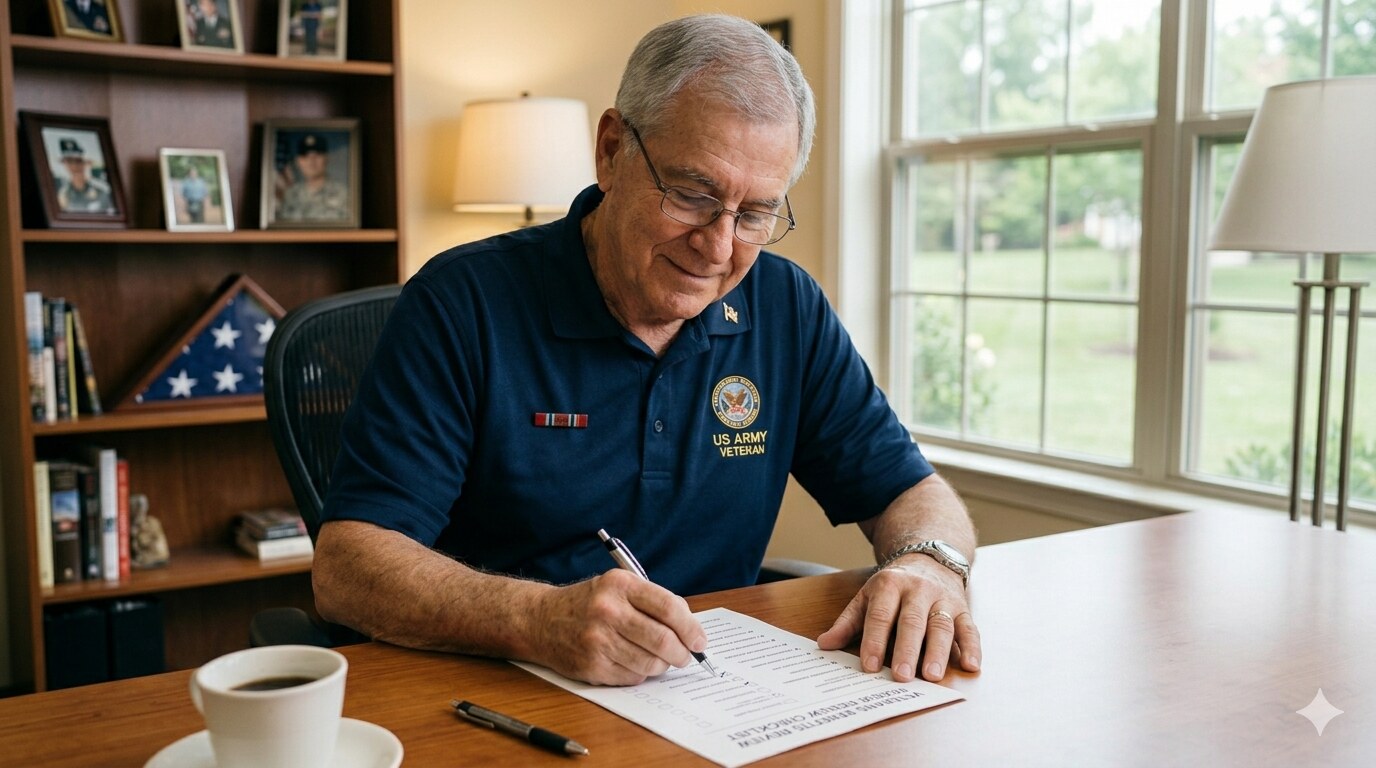
Start by gathering your DD214, recent VA letters, identification, and current medication list in one folder you can carry without hunting through the house. The first win is simply having the right papers together.
Once that folder exists, build a one-page timeline of recent claims, denials, approvals, and pending actions. It helps staff understand where the case stands without making you retell the whole story from scratch.
Before each visit, write your top three questions and the exact outcome you need, whether that is a status update, a missing document list, or the timing of the next step.
If you can, bring one trusted person so they can take notes and slow the conversation down when details start moving too fast. Another set of ears helps more than most people expect.
During the visit, ask staff to confirm the next step in writing: who is responsible, what deadline applies, and how you should follow up if nothing changes by that date.
After each call or visit, record the date, name, office, and promised action. That running log becomes your best protection when follow-up stretches out longer than anyone said it would.
If forms are confusing, ask an accredited Veterans Service Organization representative to review them before you submit anything. A clean review up front can prevent delays that are hard to unwind later.
Then review the folder once a month and strip out duplicates so the essentials stay easy to find during urgent calls, appointments, or another appeal.